
Digital Logistics as Critical Infrastructure for Medicines and Vaccines

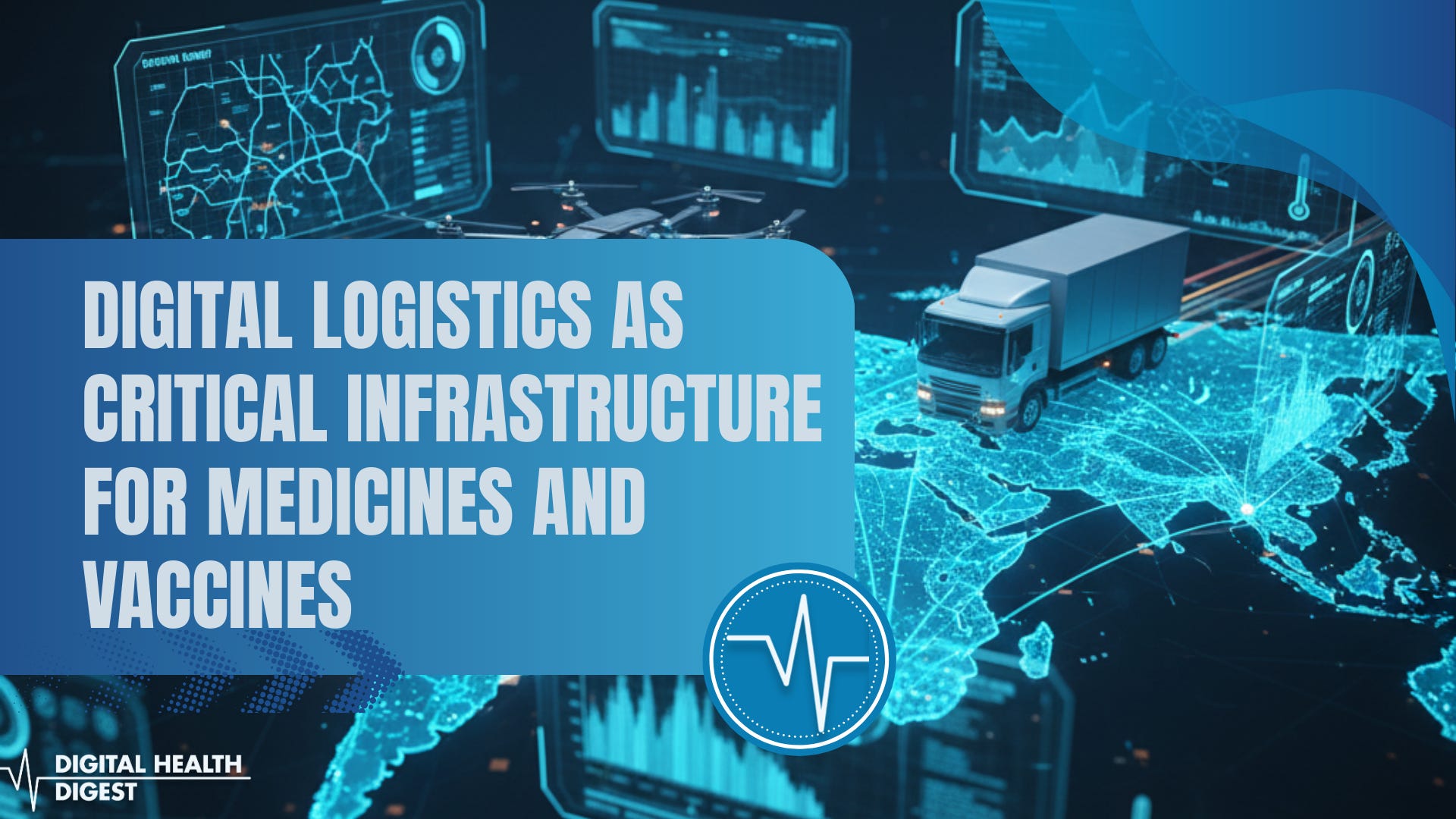
That "Package Tracking" Feeling, but for Your Health
There's a peculiar satisfaction in watching that little dot inch its way across a map, signaling the imminent arrival of a pizza or that long-awaited package. But what if that same granular visibility, that same sense of control, extended to something far more critical: life-saving medicines and vaccines?
It's no longer a futuristic fantasy. An invisible, high-tech network quietly orchestrates the movement of pharmaceuticals across the globe, proving itself an unsung hero, especially during the recent pandemic. The magic relies on three key pillars: complete supply-chain visibility, super-smart route optimization that considers far more than mere distance, and proactive stock management, ensuring that critical supplies are always within reach.
A Quick History Lesson: We’ve Come a Long Way from "Arm-to-Arm"
Let's rewind a bit. Imagine a time when medical logistics involved monks carefully transporting medicinal herbs between monasteries, or even the early days of vaccines, where they were literally carried "arm-to-arm" to maintain their efficacy.
The Industrial Revolution brought trains and steamships, offering a significant leap in speed and scale. The 20th century introduced refrigeration, birthing the "cold chain," and saw the rise of first-generation computers – those room-sized IBM behemoths – used for rudimentary inventory management. Then came the "Just-in-Time" era, a philosophy of efficiency and leanness that, while ground-breaking, proved remarkably fragile when faced with unforeseen global disruptions.
The Modern Toolkit: What's Powering the Medical Supply Chain 2.0?
We've entered a new era of digital transformation. Let's dissect the tools that are revolutionizing medical logistics:
The "Where's My Pizza?" Tracker for Pills (Supply-Chain Visibility): Forget static location data. We're talking about an intricate web of IoT sensors, GPS, and RFID tags, meticulously monitoring not just where a shipment is, but its precise temperature, humidity, and even potential shocks it may encounter. This granular level of insight eliminates guesswork, ensuring that vaccines, for instance, haven't been compromised by temperature fluctuations.
The Ultimate GPS on Steroids (Route Optimization): Today's route optimization goes far beyond finding the shortest path. Sophisticated AI algorithms analyze a multitude of factors, including real-time traffic conditions, weather patterns, delivery time windows, and even geopolitical events, to dynamically calculate the smartest path. This saves time, reduces fuel consumption, minimizes the risk of delays, and ultimately, saves lives.
The End of "Sorry, We're Out" (Real-time Stock Management): Digital systems are actively working to eradicate stockouts and minimize waste. AI algorithms predict demand spikes, such as during flu season, and automate reorders proactively. Consider India's Electronic Vaccine Intelligence Network (eVIN), a real-world example of digitizing vaccine stocks to ensure availability and prevent spoilage.
The Controversy Corner: It's Not All Smooth Sailing
It’s crucial to acknowledge the complexities and potential pitfalls of this technological revolution. It's not a panacea.
The Digital Divide: The most advanced technology is rendered useless when faced with fundamental infrastructure gaps. An ultra-cold freezer is of little value in an area with an unreliable power grid. The success of digital logistics hinges on the strength of the underlying infrastructure.
Data, Data, Everywhere... But is it Safe? The vast amounts of data generated by these systems raise critical questions about privacy and security. The threat of cyberattacks targeting the cold chain is very real, and regulations like GDPR highlight the importance of safeguarding sensitive information.
Ethical Speed Bumps: Algorithmic decision-making introduces ethical dilemmas. Who gets priority access to vaccines? How do we ensure that the algorithms guiding these decisions are free from bias and promote equitable access for all? This is a global debate with no easy answers.
Peeking into the Future: What's Next on the Horizon?
The future of medical logistics holds incredible promise:
Digital Twins: The creation of virtual replicas of entire supply chains allows us to simulate "what-if" scenarios and proactively identify potential vulnerabilities before a crisis even emerges.
Drone Delivery: Delivering critical supplies to remote, hard-to-reach areas in a matter of minutes, bypassing traditional logistical bottlenecks.
"Super Automation": Imagine a supply chain that is virtually self-managing, autonomously predicting disruptions and rerouting shipments with minimal human intervention.
The ultimate goal is the creation of a resilient, adaptive healthcare system prepared to meet any challenge, anywhere in the world.
The Takeaway:
Digital logistics forms the invisible yet indispensable infrastructure underpinning modern medicine. We've evolved from a simple chain of delivery trucks to an intelligent, interconnected, and resilient global health network. It ensures that treatments, vaccines, and life-saving medicines reach those who need them, precisely when they need them, solidifying its status as the silent guardian of global health.